Painting the city red: EFF’s Tlaleng Mofokeng wants to put Joburg under the scalpel
· Citizen
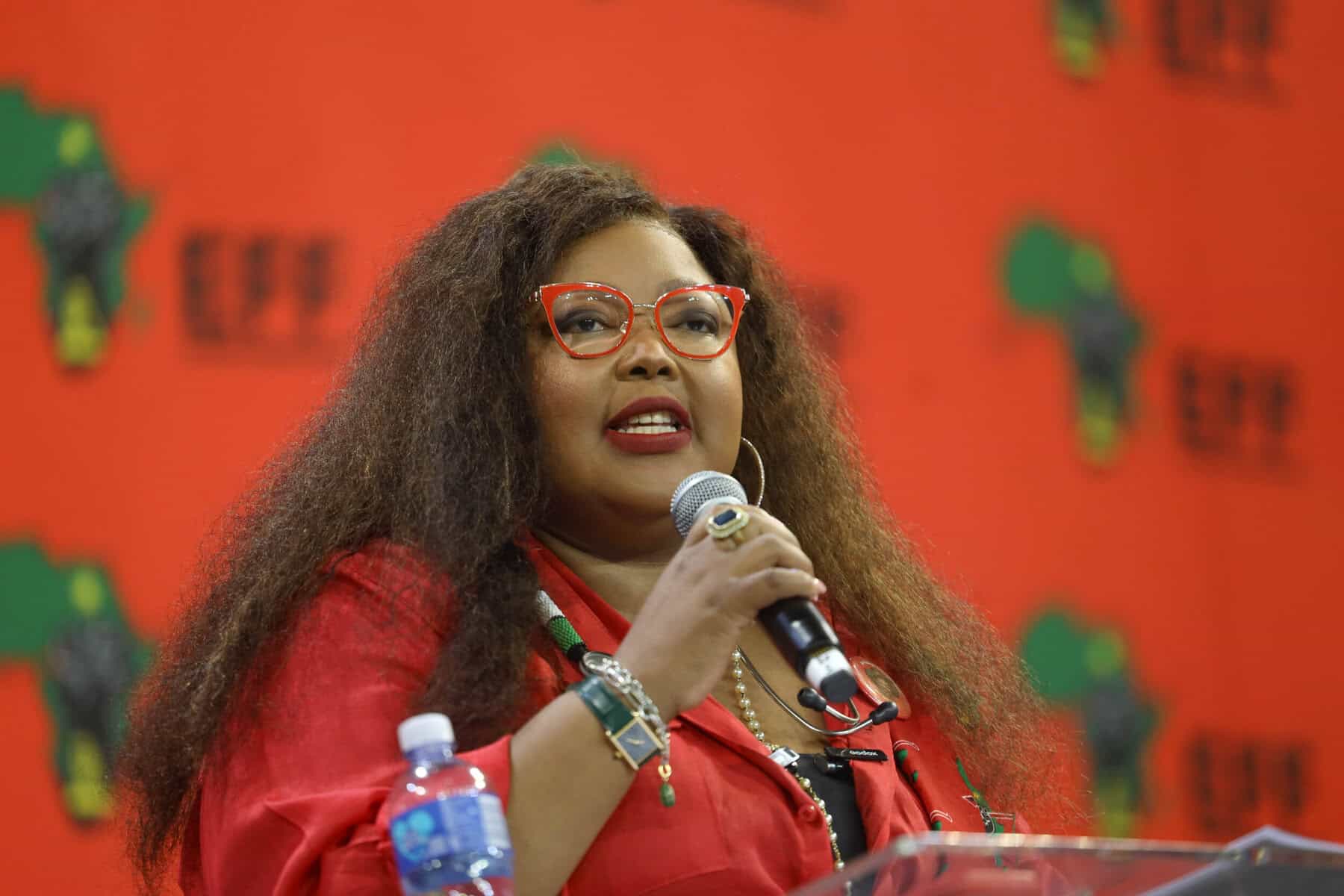
EFF mayoral candidate for Johannesburg Dr Tlaleng Mofokeng will adopt a unique approach to attempt to cure the ills of the city: she will deliver with the attitude of a medical doctor with a scalpel in surgery and the determination to save a patient’s life.
Mofokeng, a former UN Special Rapporteur on the Right to Health, wants a clean break with the past if she assumes the position after the local government elections on 4 November.
Visit rouesnews.click for more information.
What is your plan of action for change?
Our campaign theme, Create Jozi, Be Jozi: Victory or Death, reflects the urgency of reclaiming a city that has deteriorated while residents pay ever-higher rates for failing services.
A city should answer when its people call. Our first priority is restoring the city’s capacity to deliver basics.
We will establish rapid-response teams with a one-hour target for faults and outages, regain municipal control over electricity billing and revenue and intervene in stalled water, sanitation and housing projects.
We will reintegrate fragmented municipal entities into in-house administration to cut duplication, stop the sale of municipal land, insource essential services and create meaningful jobs for young people.
We will formalise informal settlements, provide secure tenure and basic services, invest in township economic centres and ensure indigent households receive free basic services within 90 days.
Municipal services should work the same way hospitals do: no-one is asked for their postal code before being treated.
What difference will you make?
I want to shift Johannesburg from fragmented administration and failing infrastructure into a city that is accountable and responsive.
Residents should not endure prolonged outages, potholes, unsafe infrastructure and unresponsive officials while costs rise.
We will build a municipality that employs workers directly, supports local businesses and uses procurement to stimulate the local economy.
At least 80% of materials will be locally sourced, while 40% of jobs and 50% of procurement opportunities will go to young people.
Above all, I want residents to feel seen and heard – not treated as sources of revenue, but as the people to whom the municipality is accountable.
What issue has troubled you most about the city?
The structural failure of municipal governance. Over two decades, Joburg corporatised services into 13 separate entities, creating expensive bureaucracy, weakening accountability and separating residents’ payments from services they receive.
The consequences are visible: burst water mains, electricity disruptions, potholes, substations catching fire, while executive costs remain high.
The city’s 2024-25 audit regressed to a qualified opinion, with R13.3 billion in irregular and fruitless expenditure.
City Power and Joburg Water are in financial distress, directly affecting households.
How do you plan to solve this issue?
- Bring fragmented entities back into in-house administration to cut costs and strengthen accountability;
- Publish tenders, enforce consequences for corruption, and empower ward-based assemblies to oversee spending;
- Deploy rapid-response teams with a one-hour target, intervene in stalled projects, formalise informal settlements and guarantee housing for persons with disabilities in 12 months; and
- Stop selling municipal land, insource services, direct procurement to local production and invest in township economic centres.
Informal traders will have a single entry point to formalise businesses, not be treated as criminals.
We will also invest in theatres, cultural institutions and safe public spaces, because a city is more than pipes and power lines.
What is your approach to coalitions?
We will work with any party willing to commit to measurable delivery: restoring water, improving electricity reliability, strengthening accountability.
We will not enter coalitions simply to occupy positions.
Currently, the EFF participates in Johannesburg’s government of local unity with the ANC but, as a junior partner, we lack access to strategic portfolios.
Our preferred outcome is an EFF majority with a strong mandate. If coalitions are necessary, they must be guided by public commitments to delivery and accountability.
The central question is not who governs with whom, but what agreement improves residents’ lives.
What will you change in the first 100 days if elected?
The first 100 days will demonstrate that a different kind of municipal government is possible.
- Review financial and operational challenges, strengthen oversight, begin reintegrating municipal functions and stop land sales.
- Establish rapid-response teams with a one-hour target, intervene in stalled projects and restore essential services in failing communities.
- Guarantee free basic services for qualifying indigent households within 90 days.
- Begin insourcing cleaning, security, waste and maintenance services, expand local procurement and increase opportunities for young people.
- Born in QwaQwa, Dr Tlaleng Mofokeng earned her bachelor of medicine and bachelor of surgery (MBChB) from the University of KwaZulu-Natal, alongside postgraduate studies in health economics.
- As an author, she wrote the bestselling book Dr T: A Guide to Sexual Health and Pleasure (2019, updated 2021).
- She also served as a commissioner for South Africa’s Commission for Gender Equality (2019-2024).